

Have you ever wondered why Electric Vehicles (EVs) are becoming so popular? Will they replace gasoline cars one day? Many people believe they will.
More people now choose electric cars every year. They are quiet, clean, and easy to drive. They also produce zero tailpipe emissions, which helps keep the air clean.
People also want to spend less on fuel. EVs cost less to run than many gasoline cars. They also need fewer repairs. New battery technology lets drivers go farther on one charge. Better charging infrastructure also makes charging simple at home and on the road.
Another reason is renewable energy. More EVs now run on clean electricity from the sun and wind. This helps lower carbon emissions and protects the environment.
So, why are Electric Vehicles (EVs) the future? In this article, you will learn why more people are buying EVs, how electric vehicle adoption is growing, and how EVs support sustainable transportation.
Why Are Electric Vehicles the Future?
Electric Vehicles (EVs) are the future because they are clean, simple, and cost less to own. They produce zero tailpipe emissions and help reduce carbon emissions. They also need less maintenance than gasoline cars.
Every year, battery technology gets better. Charging infrastructure is also growing fast. This makes electric cars easier to own and drive. As electric vehicle adoption grows and more renewable energy is used, EVs will help build a cleaner future through sustainable transportation.
What Are Electric Vehicles?
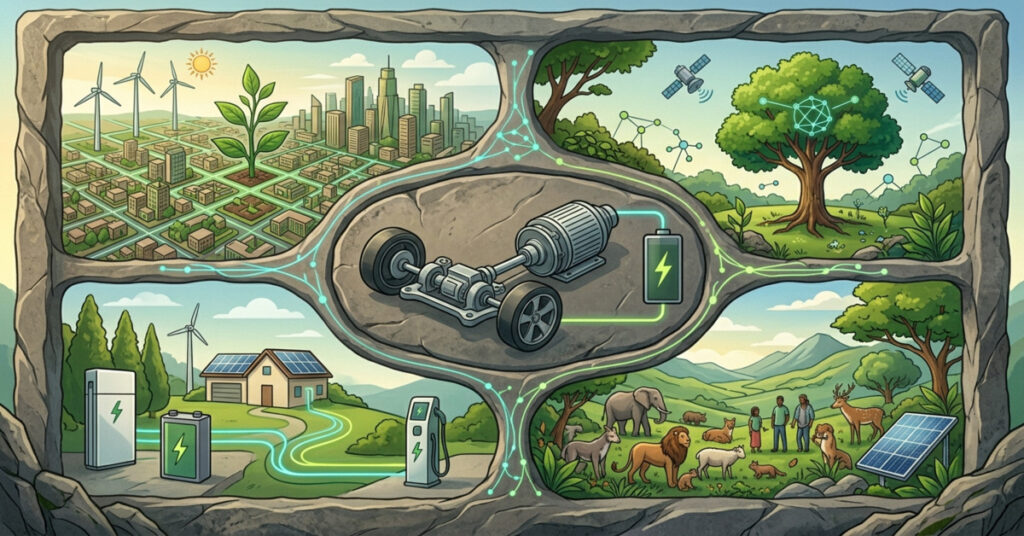
Electric Vehicles (EVs) are cars that run on electricity instead of gasoline or diesel. They use an electric motor and a lithium-ion battery to power the vehicle. This means they produce zero tailpipe emissions and help keep the air cleaner.
How Do Electric Vehicles Work?
Electric Vehicles (EVs) store electricity in a lithium-ion battery. When you press the accelerator, the battery sends power to the electric motor. The motor turns the wheels and moves the car.
Unlike gasoline cars, EVs do not need an engine or fuel tank. You can charge the battery at home or at a public charger. Better battery technology now gives many EVs a longer driving range and faster charging.
Types of Electric Vehicles
There are different types of electric vehicles.
Battery Electric Vehicles (BEVs) run only on electricity. They do not use gasoline. Plug-in Hybrid Electric Vehicles (PHEVs) use both electricity and gasoline. You can charge them and also fill them with fuel. Hybrid Electric Vehicles (HEVs) use a small battery and a gasoline engine. The battery charges while you drive.
Each type has its own benefits. However, Battery Electric Vehicles (BEVs) are the cleanest option because they produce zero tailpipe emissions and support a more sustainable transportation system.
Why Are Electric Vehicles the Future?
Electric Vehicles (EVs) are the future because they are clean, cost less to run, and are easy to own. They produce zero tailpipe emissions, which helps lower carbon emissions. Better battery technology and more charging infrastructure are making EVs a smart choice for more people every year.
They Help Keep the Air Clean
Electric cars do not produce smoke from a tailpipe. This means they create zero tailpipe emissions while driving. As more people choose EVs, carbon emissions can go down. Cleaner air is better for people and the planet.
They Help You Save Money
EVs use electricity instead of gasoline. In many places, electricity costs less than fuel. EVs also have fewer parts, so they often need fewer repairs. This helps many drivers save money over time.
They Can Go Farther Than Before
Years ago, many EVs could not travel very far. Today, battery technology is much better. Many new models can travel longer on a single charge. They also charge faster than before.
Charging Is Getting Easier
It is now easier to charge an EV than ever before. More charging infrastructure is being built every year. You can charge many EVs at home, at work, or at public charging stations.
More People Are Choosing EVs
Every year, more people buy Electric Vehicles (EVs). This steady electric vehicle adoption shows that more drivers trust electric cars. As more people switch to EVs, they are becoming a normal part of daily life.
Clean Energy Makes EVs Better
Many EVs can use electricity from renewable energy like solar and wind power. This helps lower carbon emissions even more. It also supports sustainable transportation and a cleaner future.
The Future Looks Bright
Car makers are building more electric cars every year. Governments are also helping people choose EVs by supporting charging stations and cleaner transportation. With better batteries, easier charging, and growing electric vehicle adoption, Electric Vehicles (EVs) will play a big role in the future.
Benefits of Electric Vehicles
Electric Vehicles (EVs) offer many benefits. They help keep the air clean, cost less to run, and are easy to maintain. They also use energy wisely and support sustainable transportation, making them a smart choice for the future.
Better for the Environment
One of the biggest benefits of electric cars is cleaner air. EVs produce zero tailpipe emissions, so they do not release harmful gases while driving. This helps lower carbon emissions and creates a healthier place to live.
Lower Running Costs
EVs use electricity instead of gasoline. In many areas, electricity costs less than fuel. This means drivers can spend less on daily travel. Over time, many people also save money on repairs and servicing.
Easy to Maintain
Electric Vehicles (EVs) have fewer moving parts than gasoline cars. They do not need oil changes or many of the regular services that fuel cars need. This helps lower maintenance costs and makes owning an EV easier.
Better Battery Performance
Modern battery technology has improved a lot. Many EVs now travel farther on one charge and charge faster than older models. This makes them a good choice for work, school, and family trips.
Easy to Charge
More charging infrastructure is available today than ever before. Many people charge their EVs at home, while others use public charging stations. As more chargers are built, owning an EV becomes even more convenient.
Supports a Cleaner Future
More EVs are now powered by renewable energy such as solar and wind power. This helps reduce carbon emissions and supports sustainable transportation. As electric vehicle adoption continues to grow, more people can enjoy cleaner and greener travel.
Challenges Electric Vehicles Still Face
Electric Vehicles (EVs) have many good points, but they also have some challenges. Some electric cars cost more to buy. Some places still need more charging infrastructure. Charging also takes more time than filling a gas car with fuel. The good news is that these problems are getting smaller every year.
Higher Purchase Price
Many electric cars cost more than gasoline cars when you first buy them. This is mainly because the lithium-ion battery is expensive. Even so, many drivers save money later because EVs use less energy and need fewer repairs.
Limited Charging Stations in Some Areas
Many cities have plenty of places to charge an EV. But some small towns and country areas still have fewer chargers. Better charging infrastructure is being built every year, so charging is becoming easier.
Charging Takes Longer Than Refueling
Filling a gas car takes only a few minutes. Charging an EV takes more time. Fast chargers can charge many EVs much faster than before. Many people also charge their cars at home while they sleep.
Battery Replacement Costs
The lithium-ion battery is made to last for many years. If it needs to be replaced, the cost can be high. The good news is that battery technology keeps getting better. New batteries last longer and are becoming more affordable.
Driving Range Concerns
Some people worry that an EV will run out of power before they reach a charger. This is called range anxiety. Today, many Electric Vehicles (EVs) can travel much farther on one charge. Better battery technology and more charging infrastructure are making this problem smaller every year.
How Electric Vehicles Are Changing the Future of Transportation
Electric Vehicles (EVs) are changing how people travel. They help keep the air clean and lower carbon emissions. More people are buying EVs every year. Better charging infrastructure is also making them easier to use.
Cleaner Cities
More electric cars mean less air pollution. EVs produce zero tailpipe emissions, so they do not send smoke into the air while driving. This helps people breathe cleaner air. It also makes cities better places to live.
Smarter Transportation
Today’s Electric Vehicles (EVs) are better than ever. New battery technology helps them drive farther on one charge. Many EVs also have smart safety features that make driving easier. Some are connected cars, which can share helpful driving information.
Growth of Charging Infrastructure
It is much easier to charge an EV today. More charging infrastructure is being built across the country. You can now find charging stations at homes, stores, offices, and along many roads. This makes owning an EV simple for more people.
New Jobs and More Growth
More electric vehicle adoption means more jobs. Companies need people to build Electric Vehicles (EVs), make batteries, and install charging stations. As more people choose EVs, the automotive industry continues to grow. This helps create new jobs and supports local communities.
Are Electric Vehicles Better Than Gasoline Cars?
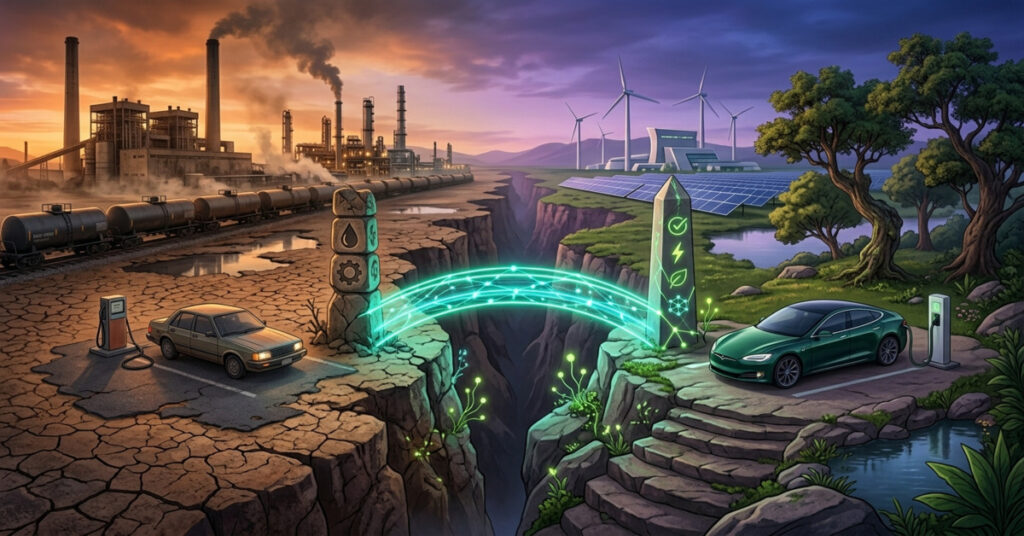
Yes, for many people, Electric Vehicles (EVs) are a better choice than gasoline cars. They cost less to run, need fewer repairs, and produce zero tailpipe emissions. They also help lower carbon emissions and support sustainable transportation.
Cost Comparison
Many electric cars cost more when you first buy them. But they can help you save money later. Electricity often costs less than gasoline. EVs also need fewer repairs, so many owners spend less.
Environmental Impact
Electric Vehicles (EVs) help keep the air clean. They produce zero tailpipe emissions, so they do not release smoke while driving. This helps lower carbon emissions. When EVs use renewable energy, they become even better for the environment.
Maintenance Comparison
Gasoline cars need regular oil changes and more service. Electric Vehicles (EVs) have fewer moving parts. This means they usually need less maintenance. That can save both time and money.
Driving Experience
Many people enjoy driving electric cars. They are quiet, smooth, and easy to drive. Better battery technology also helps many EVs travel farther on one charge. This makes them a good choice for daily driving and long trips.
What Does the Future Hold for Electric Vehicles?
The future looks bright for Electric Vehicles (EVs). New battery technology is helping EVs travel farther and charge faster. Better charging infrastructure and growing electric vehicle adoption will make EVs easier to own. As more renewable energy is used, EVs will also become a cleaner choice.
Better Batteries
Every year, battery technology gets better. New batteries can help EVs travel farther on one charge. They also last longer than older batteries. This makes electric cars a better choice for everyday driving.
Faster Charging
Charging an EV is getting faster. New chargers can add more power in less time. More charging infrastructure is also being built in many places. This makes long trips easier and gives drivers more confidence.
More Affordable EVs
Today, some Electric Vehicles (EVs) cost more than gasoline cars. But prices are slowly coming down. As more EVs are built, they are expected to become more affordable. This will help more families choose electric cars.
Self Driving Technology
Many new EVs include smart driving features. Some can help keep the car in its lane, stay a safe distance from other cars, and park more easily. As these features improve, driving may become safer and more comfortable.
Vehicle to Grid Technology
In the future, some EVs may do more than drive. With Vehicle-to-Grid (V2G) technology, they can send electricity back to the power grid when needed. This can help save energy and make better use of renewable energy. It is another step toward sustainable transportation.
Should You Buy an Electric Vehicle?
Yes, an Electric Vehicle (EV) is a good choice for many people. It costs less to run, needs fewer repairs, and produces zero tailpipe emissions. If you can charge your car at home or near your work, an EV may be the right choice for you.
Think about how you drive each day before you buy an EV. If you mostly drive to work, school, or nearby places, an electric car can meet your needs. If you often drive long distances, check the driving range and nearby charging infrastructure before you decide.
It is also a good idea to compare different EV models. Look at the price, battery size, driving range, and charging time. Better battery technology has made many new EVs easier to own and drive.
More people are choosing EVs every year. As electric vehicle adoption grows, more charging stations are being built. With more renewable energy, EVs can help lower carbon emissions and support sustainable transportation. If an EV fits your budget and your daily travel, it can be a smart choice.
Conclusion: Why Electric Vehicles Are the Future
Electric Vehicles (EVs) are changing the way we travel. They help keep the air clean by lowering carbon emissions and producing zero tailpipe emissions. Better batteries and more charging infrastructure are making EVs easier to own and drive.
EVs still have some challenges, but they improve every year. More people are choosing electric cars, and more renewable energy is being used to charge them. This is helping build a cleaner future.
If you want to spend less on fuel, enjoy a quiet drive, and help protect the environment, an EV is a great choice.
FAQ On Why Electric Vehicles Are The Future
Q: Will all cars be electric in 2050?
No one knows for sure. Many experts believe Electric Vehicles (EVs) will become much more common, but gasoline and hybrid cars may still be used.
Q: What happens to electric cars after 8 years?
Most electric cars still work well after 8 years. The EV battery may hold a little less charge, but it can still last for many more years.
Q: What will replace electric cars?
There is no clear replacement for Electric Vehicles (EVs) today. Better batteries and new clean energy technologies are more likely to improve EVs than replace them.
Q: Why are EVs losing popularity?
EVs are not losing popularity everywhere. Sales may slow in some places, but electric vehicle adoption is still growing in many parts of the world.
Q: What’s the lifespan of an EV battery?
Most EV batteries last between 10 and 20 years. Battery life depends on how the vehicle is driven, charged, and cared for.