
Are electric vehicles the future of driving? Can they really save you money? Are they better for the environment? And what problems should you know before buying one?
These are simple questions many people ask when thinking about Electric Vehicles. More and more drivers are choosing Electric Cars because they run on electricity instead of gasoline. This is slowly changing how people travel every day.
Most Electric Vehicles use a Battery Pack and an Electric Motor instead of a fuel engine. Because of this simple system, they need less Maintenance and cost less to run over time.
Many people also like that EVs produce no Tailpipe Emissions, which helps keep the air clean. But Electric Cars also have some problems. Charging takes time, and not every place has easy Charging access. Driving Range can also be limited, especially on long trips.
Some people depend on Home Charging, which is not always possible. So, what are the pros and cons of electric vehicles? Is an EV right for you?
In this article, we will explain the main good and bad points of Electric Vehicles in very simple words. We will also compare them with Gasoline Cars, so you can understand what suits you best.
What Are the Pros and Cons of Electric Vehicles
Electric Vehicles (EVs) are cars that run on electricity instead of fuel. They use a Battery Pack and an Electric Motor instead of a normal engine. People like Electric Cars because they cost less to run and need less Maintenance.
They also do not produce Tailpipe Emissions, so they are cleaner than Gasoline Cars. But EVs need Charging. How useful they are depends on Range, battery size, and access to Home Charging or public chargers.
In simple words, Electric Vehicles are cheaper to run and better for the environment, but they need charging and planning for daily use.
What Is an Electric Vehicle and How Does It Work?
An Electric Vehicle is a car powered by electricity. It stores energy in a Battery Pack and uses an Electric Motor to move the car. Unlike Gasoline Cars, it does not burn fuel. This is why it produces no Tailpipe Emissions and needs fewer moving parts.
Electric Motor and Battery Explained Simply: The Electric Motor takes power from the Battery Pack and turns it into movement. This simple system helps reduce Maintenance because there are fewer parts that can wear out compared to Gasoline Cars.
Electric Cars vs Gasoline Cars: Electric Cars run on electricity, while Gasoline Cars run on fuel. Electric cars are cleaner and cheaper to run, but gasoline cars are still easier to refuel because you can fill them anywhere, while EVs depend on Charging and Home Charging options.
Pros of Electric Vehicles (Benefits)
Electric Vehicles have many good points compared to Gasoline Cars. Many people like Electric Cars because they are cheaper to run, easier to take care of, and better for the environment. Most Electric Vehicles use an Electric Motor and a Battery Pack, which makes them simple and smooth to drive.
Lower Fuel and Running Costs
Electricity costs less than fuel. So Electric Cars are cheaper to run every day. You can also charge at home using Home Charging, which can save more money compared to filling fuel in Gasoline Cars.
Less Maintenance Required
Electric Vehicles need less Maintenance because the Electric Motor has fewer moving parts. There is no engine oil and fewer parts that can break. This means fewer repairs and lower service costs than Gasoline Cars.
Better for the Environment
Electric Cars do not produce Tailpipe Emissions. This means they do not release smoke or harmful gases while driving. This helps keep the air clean and is better for the environment.
Smooth and Quiet Driving Experience
The Electric Motor gives power in a smooth way. Electric Cars are also very quiet compared to Gasoline Cars, which makes driving more comfortable and peaceful.
Government Incentives and Savings
In many places, people get extra savings when they buy Electric Vehicles, like tax discounts or special offers. This helps reduce the total cost of owning an electric car.
Cons of Electric Vehicles (Drawbacks)
Even though Electric Vehicles have many benefits, they also come with some challenges compared to Gasoline Cars. These issues mostly relate to cost, Charging, and driving Range. It is important to understand them before making a choice.
High Upfront Purchase Price
Electric Cars usually cost more to buy at the start than Gasoline Cars. The main reason is the Battery Pack, which is expensive to make. Even though EVs can save money later, the first price can be a barrier for many people.
Charging Time and Charging Access Issues
Electric Vehicles need Charging instead of fuel. Charging takes much longer than filling a fuel tank in Gasoline Cars. Also, not every place has easy charging stations. Home Charging is helpful, but not everyone can install it, which can make daily use less convenient.
Limited Driving Range
The Range of an Electric Car is how far it can travel on one full charge. Compared to Gasoline Cars, this distance can still be limited. Long trips need careful planning so the driver can find charging points along the way.
Battery Replacement Cost
Over Time The Battery Pack in Electric Vehicles becomes weaker over time. After many years, it may need replacement. This cost can be high compared to normal Maintenance in Gasoline Cars, which is an important factor for long-term ownership.
Electric Vehicles vs Gasoline Cars (Simple Comparison)
Electric Vehicles and Gasoline Cars work in different ways. Each one has its own benefits depending on how you drive. Electric Cars are cheaper to run because electricity costs less than fuel.
They use an Electric Motor, which makes driving smooth and quiet. They also do not produce Tailpipe Emissions, so they are better for the environment.
They need less Maintenance because they have fewer moving parts. Gasoline Cars are still easier for long trips. You can refuel them quickly anywhere.
But Electric Vehicles depend on Charging, and driving Range can be limited. This is why planning is needed, especially if Home Charging is not available.
| Feature | Electric Vehicles | Gasoline Cars |
| Fuel | Electricity | Petrol / Diesel |
| Cost to Run | Lower | Higher |
| Maintenance | Less Maintenance | More Maintenance |
| Emissions | No Tailpipe Emissions | Produces pollution |
| Driving Style | Smooth and quiet (Electric Motor) | Engine noise |
| Refueling | Needs Charging | Fast fuel fill |
| Long Trips | Limited by Range | Easy and flexible |
| Home Use | Can use Home Charging | Not needed |
In simple words, Electric Cars help you save money and are better for the environment. Gasoline Cars are easier for long trips and can be refueled quickly.
Are Electric Vehicles Worth It for You?
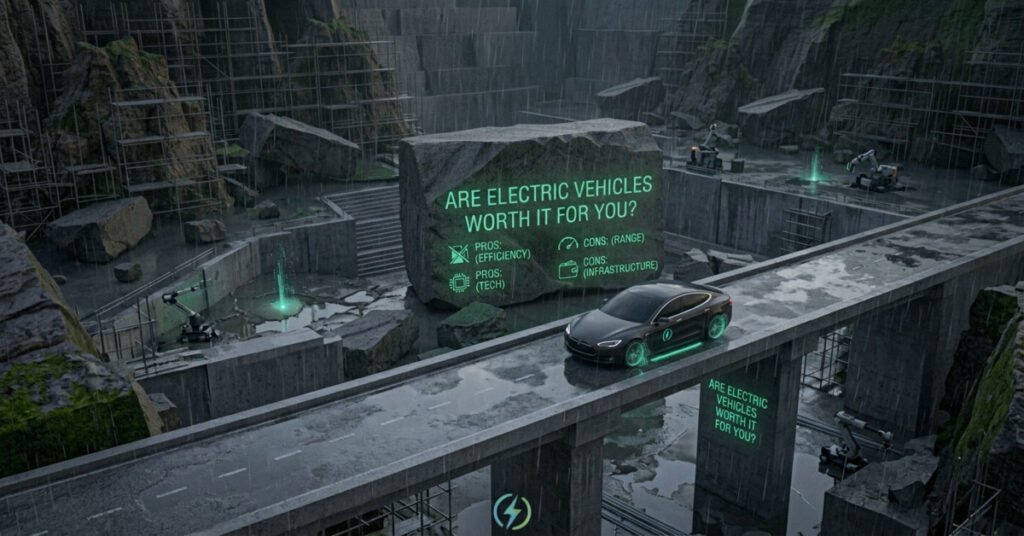
An Electric Vehicle can be a good choice, but it depends on your daily life. If you can charge at home with Home Charging, drive short distances, and want to save money, then Electric Cars can work well for you. They need less Maintenance, so they are easier and cheaper to take care of.
They use an Electric Motor, which makes driving smooth and quiet. They also have no Tailpipe Emissions, so they are better for the air. But Electric Vehicles are not right for everyone.
If you travel long distances often or do not have easy Charging, they can be hard to use. The driving Range may also feel short on long trips.
In that case, Gasoline Cars are easier because you can refuel quickly and keep driving. In simple words, choose an EV if it fits your daily travel and charging needs.
Future of Electric Vehicles
The future of Electric Vehicles looks very strong. More people are moving away from Gasoline Cars and choosing electric cars for daily use. New Battery Pack technology is getting better. This will help Electric Cars travel longer on one charge and improve driving Range.
More Charging stations are also being built. This will make it easier to charge cars in public places. Home Charging is also becoming more common. Many people will be able to charge their cars at night and start the day with a full battery. The Electric Motor is already simple and efficient.
In the future, Electric Vehicles will become even cheaper to run and easier to use. In simple words, Electric Cars will become more common and more practical than Gasoline Cars over time.
Final Summary of Pros and Cons
Electric Vehicles are becoming more popular because they cost less to run and are better for the environment than Gasoline Cars. They use an Electric Motor instead of a fuel engine, so they need less Maintenance and produce no Tailpipe Emissions. This makes them cleaner and easier to use. But Electric Cars also have some problems. They need Charging, which can take time and is not always easy to find. Their driving Range can also be limited, especially on long trips. They also cost more at the start than Gasoline Cars, mostly because of the Battery Pack. In simple words, Electric Vehicles are a good choice for saving money and keeping the air clean. But they are not perfect for everyone, especially people who travel long distances or do not have easy Home Charging.
Frequently Asked Questions: Pros and Cons of Electric Vehicles
Q: What happens to electric cars after 8 years?
After about 8 years, most Electric Vehicles still work well. The Battery Pack may lose some power, so the driving Range can become a little shorter. Many cars still run fine with normal Maintenance.
What is the downside of owning an electric car?
The biggest downside is dependence on Charging. If you cannot charge at home or nearby, it can be inconvenient. Long trips can also need more planning because of Range limits.
Q: Why are people getting rid of electric cars?
Some drivers feel Electric Vehicles do not fit their lifestyle. Reasons include charging problems, long-distance travel needs, or lack of Home Charging.
Q: Are electric cars better for short trips?
Yes, Electric Vehicles are great for short daily trips because they use less energy and are easy to charge at home.
Q: Do electric cars need a lot of maintenance?
No, Electric Cars need less Maintenance because they have fewer moving parts compared to Gasoline Cars.
Q: Are electric cars expensive to maintain?
No, they are usually cheaper to maintain. The Electric Motor has fewer parts, so there are fewer repairs over time.