
Are electric vehicles really safe? Can their batteries catch fire? What happens if an EV crashes? These are common questions many people ask before buying an electric car.
The good news is that modern electric vehicles are made with safety in mind. Before they reach the road, they must pass important crash tests to make sure they can help protect people in an accident. They also include safety features that can help drivers stay in control and avoid danger. While some people worry about battery fires, electric cars are designed to lower these risks.
So, are electric vehicles safe? In most cases, yes. Electric cars are built to protect drivers and passengers and are tested to meet high safety standards. In this article, you’ll learn how EVs keep people safe, the risks they may have, and how they compare with traditional gasoline cars.
Are Electric Vehicles Safe?
Yes, electric vehicles are safe for everyday driving. Many electric cars do as well as, or even better than, gasoline cars in safety tests.
They are built to help protect people during a crash and often include features like automatic emergency braking, which can help avoid some accidents.
Like any vehicle, EVs have some risks, but they are a safe choice for many drivers and families.
Why Do People Question EV Safety?
Many people ask if electric vehicles are safe. This is because EVs are different from the cars most people know. Instead of using gasoline, they run on a large lithium-ion battery.
Some people worry about battery fires. Others wonder if an EV is safe in a crash. Many also ask if it is safe to drive an electric car in heavy rain or charge it at home.
These questions are normal. People often have concerns when new technology becomes more common.
The good news is that modern electric vehicles must meet strict safety standards before they can be sold. They go through many tests to help make sure they are safe to drive. Because of this, many EVs receive high safety ratings and are used by millions of drivers every day.
Are Electric Vehicles Safer Than Gas Cars?
Many people ask this question. In most cases, electric vehicles are just as safe or safer than gas cars. They do well in crash tests and are built to protect people in accidents.
One reason is the battery placed under the floor. It helps keep the car stable and lowers the chance of rolling over.
EVs also have strong bodies that help protect drivers and passengers during a crash. This improves occupant protection.
No car is safe in every situation. But most tests show that modern EVs are safe for everyday driving.
EV Crash Test Performance
Electric vehicles do well in crash tests. They must pass safety checks before they are sold.
These tests show how well the car protects people in different crashes. Many EVs get high safety ratings.
Strong car bodies help protect drivers and passengers inside the vehicle.
How EV Weight Affects Safety
EVs are often heavier because of their battery.
This weight is low in the car, which helps it stay stable and reduces the chance of rolling over.
A heavier car can also help during a crash by absorbing force.
But safe driving and good design are still very important.
Occupant Protection in Electric Vehicles
EVs are built to protect people inside the car.
They have strong frames that reduce crash impact. This helps improve passenger safety.
The design creates a strong space around passengers to keep them safer in an accident.
Overall, EVs offer strong protection for drivers and passengers.
What Makes Electric Vehicles Safe?
Electric vehicles are designed to keep people safe. Before they are sold, they must pass safety tests.
Many EVs include vehicle safety features that help drivers avoid accidents and stay in control.
Car makers also focus on electric vehicle battery safety. Batteries are built to lower risks and keep people safe.
Many EVs also have advanced safety features that warn drivers about danger and help them react quickly.
All these things work together to protect drivers and passengers.
1. Battery Protection Systems
EVs have systems that help keep the battery safe all the time. This includes driving, charging, and parking.
One system is the battery management system (BMS). It helps the battery work safely.
EVs also have a battery protection system. It helps reduce damage and problems.
Together, these systems help keep the battery safe for daily use.
2. Strong Vehicle Structure
EVs are built with a strong vehicle structure to protect people in a crash.
The body of the car helps reduce crash impact and improve safety.
It also protects the space where people sit. This helps improve crash protection.
A strong design is one reason EVs do well in safety tests.
3. Low Center of Gravity
EVs have a heavy battery placed low in the car.
This gives better vehicle stability and helps the car stay balanced.
It also lowers the chance of rolling over.
This design helps make driving safer.
4. Advanced Driver Assistance Features
Many EVs have driver assistance systems that help drivers stay safe.
Some features warn about danger. Others help with steering, braking, or staying in lane.
These tools support the driver and help reduce accidents.
This is one reason EVs are seen as a safe choice.
Safety Features Found in Modern Electric Vehicles
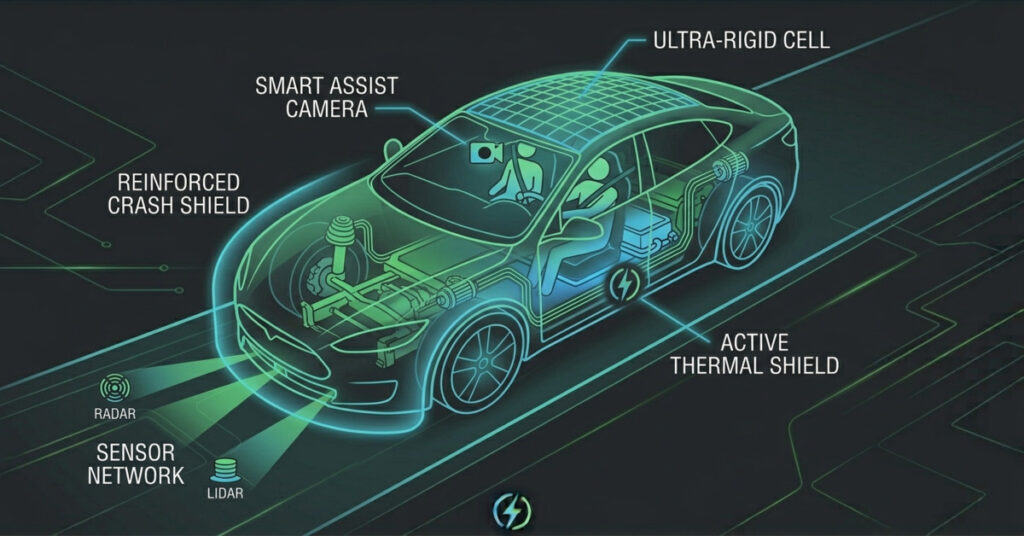
Modern electric vehicles come with many vehicle safety features that help protect drivers and passengers. These features can help drivers spot danger, stay in control, and avoid some accidents.
Many EVs also include advanced safety features that make driving easier and safer. While these features cannot prevent every accident, they can help lower the risk in many situations.
1. Automatic Emergency Braking
Automatic emergency braking can detect a possible crash ahead. If the driver does not react in time, the system may apply the brakes to help avoid or reduce the impact of a collision.
2. Adaptive Cruise Control
Adaptive cruise control helps maintain a safe distance from the vehicle in front. It can slow down or speed up the car when traffic conditions change.
3. Blind Spot Monitoring
This feature warns drivers when another vehicle is in an area that is hard to see. It can help prevent accidents when changing lanes.
4. Lane Keep Assist
Lane Keep Assist helps drivers stay in their lane. If the vehicle starts to drift, the system can provide a warning or gentle steering support.
5. Forward Collision Warning
This feature alerts drivers when they are getting too close to a vehicle ahead. The warning gives the driver more time to react and avoid a crash.
6. Rear Cross Traffic Alert
This feature helps when backing out of a parking space. It can warn the driver if a vehicle is coming from either side.
7. Electronic Stability Control
Electronic Stability Control helps the vehicle stay stable during sudden turns or slippery road conditions. It can help drivers maintain control of the car.
Together, these driver assistance systems help make electric vehicles safer and easier to drive. They provide extra support on the road and can help reduce the risk of some accidents.
Are EV Batteries Safe?
Many people worry about EV batteries because they have heard stories about battery fires. However, modern electric vehicles are designed with electric vehicle battery safety in mind.
Most EVs use a lithium-ion battery. These batteries are built to be safe and are protected by several safety systems. Car makers also test batteries to make sure they can handle everyday driving conditions.
While no battery is completely risk-free, problems are rare. For most drivers, EV batteries are safe and reliable.
How EV Batteries Are Protected
Electric vehicles have several features that help keep the battery safe. One of the most important is the battery management system (BMS).
This system helps the battery work safely during driving and charging. EVs also have a battery protection system that helps protect the battery from damage.
These safety features work together to help lower risks and keep the battery working properly.
What Is Thermal Runaway?
You may hear the term battery thermal runaway when reading about EV safety. This happens when a battery becomes very hot and the heat continues to increase.
Although this sounds serious, it is very rare. Modern EV batteries are designed to lower the risk of battery thermal runaway and help keep the battery safe.
What Happens If a Battery Is Damaged?
A damaged battery does not always cause a fire. Modern EVs are built to help protect the battery during a crash.
If the battery is damaged, the vehicle’s safety systems are designed to respond quickly. This helps lower risks and improve battery safety.
For most drivers, the chance of a serious battery problem is very low. This is one reason why many people trust electric vehicles for everyday driving.
Do Electric Vehicles Catch Fire?
Many people ask if electric vehicles catch fire. The short answer is yes, but so can gasoline cars. No vehicle is completely free from fire risk.
Most EVs use a lithium-ion battery. Like any battery, it can catch fire if it is badly damaged or has a serious problem. However, modern electric vehicles are designed with safety systems that help lower this risk.
For most drivers, the EV fire risk is very low. Millions of people drive electric vehicles every day without any battery problems.
How Common Are EV Fires?
EV fires can happen, but they are not common. In fact, vehicle fires can happen in both electric and gasoline vehicles.
Most electric vehicles never experience a battery fire during their lifetime. Modern safety systems and careful testing help reduce the chance of a fire.
EV Fires vs Gasoline Vehicle Fires
When people think about vehicle fires, they often focus on EVs. However, gasoline vehicles can also catch fire.
Gasoline is highly flammable, which means it can burn easily. Electric vehicles do not carry gasoline, but they do use a large battery. Both types of vehicles have risks, but both are designed with safety in mind.
What Causes EV Battery Fires?
Most EV battery fires happen after severe damage, a major crash, or a problem inside the battery.
In rare cases, a lithium-ion battery can become very hot. If the heat continues to build, it may lead to a fire.
The good news is that modern EVs have safety systems that help lower these risks. This is one reason why electric vehicles are considered safe for everyday driving.
Are Electric Vehicles Safe to Charge?
Many people ask if it is safe to charge an electric vehicle. For most drivers, the answer is yes. Charging an EV is usually safe when you use the right equipment and follow basic safety steps.
Electric vehicles and charging equipment are designed to help keep people safe while charging. This helps lower the risk of problems.
Home Charging Safety
Many people charge their EVs at home. A good charger can make charging safe and easy.
Always use the charging equipment recommended for your vehicle. It is also a good idea to check the charger and cable from time to time to make sure they are in good condition.
Public Charging Safety
Many drivers use public charging stations when they are away from home. These stations are made for daily use and are generally safe.
Before you start charging, take a quick look at the cable and equipment. If you see any damage, use a different charging station.
Tips for Safe EV Charging
Safe charging is simple. Here are a few tips:
- Use the right charger for your vehicle.
- Follow the instructions from the car maker.
- Check cables for damage.
- Keep charging equipment clean and dry.
- Do not use damaged equipment.
By following these simple steps, you can charge your electric vehicle safely and with confidence.
Are Electric Vehicles Safe in Rain, Snow, and Floods?
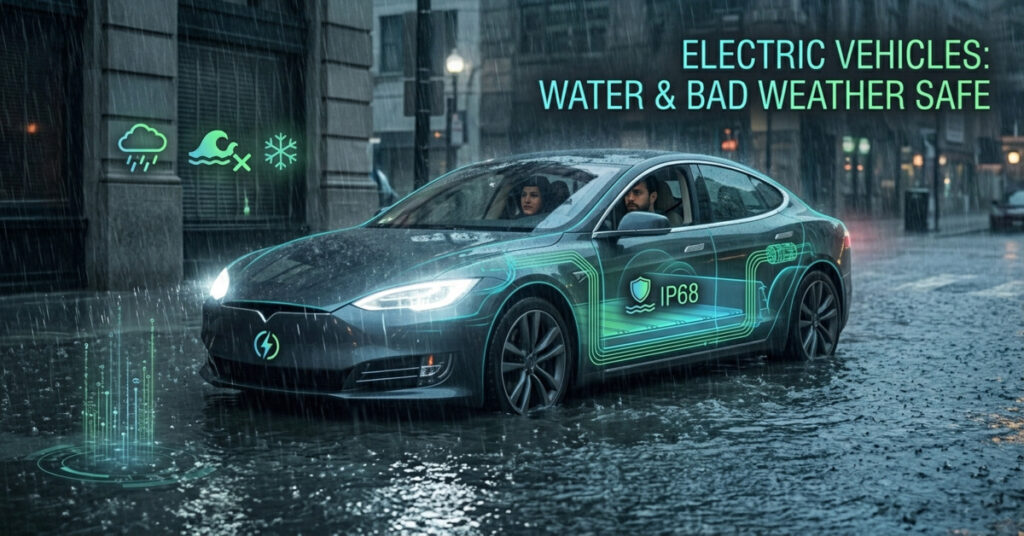
Many people wonder if electric vehicles are safe in bad weather. The good news is that modern EVs are designed to handle rain, snow, and many other weather conditions.
Like other vehicles, EVs are tested before they go on the road. Their batteries and electrical parts are sealed and protected from water. This helps improve road safety in different driving conditions.
Driving an EV in Heavy Rain
Electric vehicles can be driven in heavy rain just like gasoline cars. Their important parts are protected from water during normal driving.
Drivers should still be careful during storms. Slow down, leave enough space between vehicles, and follow normal safety rules.
EV Safety During Floods
Flood water can be dangerous for any vehicle, including an EV. If a road is covered by deep water, it is best not to drive through it.
Modern EVs have a protected high-voltage battery, but flood water can still damage a vehicle. The safest choice is to avoid flooded roads whenever possible.
Lightning and Electric Vehicles
Some people worry that lightning could be dangerous for an electric vehicle. In most cases, an EV provides protection similar to other cars.
If lightning strikes a vehicle, the outside of the car helps direct the electricity away from the people inside. This is true for both electric and gasoline vehicles.
Modern electric vehicle technology is designed with safety in mind. As a result, EVs are considered safe to drive in most weather conditions when drivers use common sense and follow road safety rules.
Are Electric Vehicles Safe for Families?
Many families want a car that is safe and easy to drive. Electric vehicles are made to help protect the people inside them.
Many EVs do well in safety tests. They also have features that help keep drivers and passengers safe on the road.
Child Passenger Safety
Keeping children safe is very important. Many electric vehicles can be used with child safety seats, just like other cars.
These features help improve occupant protection and can help keep children safer in a crash.
Parents should always use the right child seat and make sure it is fitted correctly.
Family-Friendly Safety Features
Many EVs come with advanced safety features that help drivers stay safe.
Some features can warn drivers about danger. Others can help avoid an accident.
These features can help make daily trips safer for families.
SUV and Family EV Safety
Many electric SUVs are a good choice for families. They have more space for passengers and everyday items.
Many also include features that support passenger safety and help protect people in an accident.
Overall, many electric vehicles are a safe choice for families and everyday driving.
Are Electric Vehicles Safe for Pedestrians?
Electric vehicles are safe for drivers and passengers, but they are also designed to help protect pedestrians and other road users.
One concern is that EVs are quieter than gasoline cars. Because they make less noise, some people may not notice them as easily, especially at low speeds.
To help improve road safety, many electric vehicles include sounds that make them easier to hear.
Why EVs Are Quieter
Electric vehicles do not have a gasoline engine. Because of this, they often make less noise when driving slowly.
This can be a benefit for reducing noise in busy areas. However, it can also make it harder for some pedestrians to hear an approaching vehicle.
Pedestrian Warning Sounds
Many EVs have warning sounds that play at low speeds. These sounds help alert pedestrians that a vehicle is nearby.
The sounds are designed to be easy to hear without being too loud. This helps improve safety for people walking near roads and parking areas.
Overall, modern electric vehicles are designed with both drivers and pedestrians in mind. Their safety features help make roads safer for everyone.
Common Myths About EV Safety
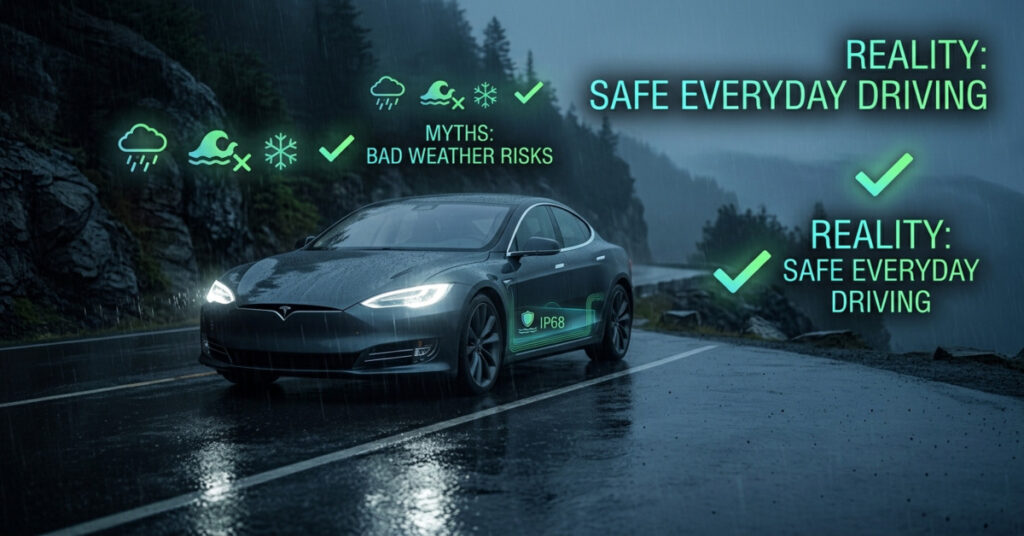
Many people have questions about electric vehicle safety. Some of the things they hear online are not true. These stories can create EV safety concerns and make EVs seem more dangerous than they really are.
Let’s look at some common myths.
Do Electric Cars Explode?
Many people think electric cars can explode after a crash. This is very rare.
Like any vehicle, an EV can be damaged in a serious accident. However, modern EVs are built with safety features that help lower risks.
For most drivers, this is not something they will ever experience.
Can You Get Electrocuted in an EV?
Many people worry about getting an electric shock from an EV. The good news is that modern electric vehicles are designed to help keep people safe.
The battery and other electrical parts are covered and protected. This helps lower the risk of electric shock during normal driving and charging.
Are EV Batteries Dangerous?
Many EVs use a high-voltage battery. This may sound worrying, but these batteries are built with battery safety in mind.
Car makers test EV batteries and add safety features to help keep them safe.
Like all vehicles, EVs have some electric vehicle risks. However, they are generally safe for everyday driving.
Overall, many of the fears about EVs come from myths. Modern electric vehicles are built to help keep drivers and passengers safe.
Pros and Cons of Electric Vehicle Safety
Electric vehicles are built to keep people safe. They do well in safety tests and have many safety features. But like all vehicles, they also have some downsides. Here is a simple look.
| Pros | Cons |
| Many EVs do well in crash tests. | Battery fires can happen, but they are very rare. |
| They have vehicle safety features that help keep people safe. | EVs are very quiet, so people may not hear them coming. |
| Many cars include driver assistance systems that help avoid crashes. | Flood water can damage EVs, like any other vehicle. |
| EVs are built with battery safety in mind. | Charging must be done carefully to stay safe. |
| EVs feel stable and safe while driving. | Battery repairs can be costly. |
| Many EVs get high safety ratings. | Some drivers need time to learn EV features. |
Overall, electric vehicles are safe for most people. They are made to protect drivers, passengers, and others on the road.
Final Verdict: Are Electric Vehicles Safe?
So, are electric vehicles safe? The simple answer is yes. Most electric vehicles are safe for daily driving. They are tested for safety and must meet strict rules before they are sold. Many EVs include vehicle safety features that help protect drivers and passengers. These features can help reduce accidents and improve road safety.
EVs are not perfect. Like all vehicles, they still have some risks. But for most drivers, the benefits are greater than the risks. Modern electric vehicle safety is improving every year. New technology is making cars safer, smarter, and easier to drive.
Overall, electric vehicles are a safe and reliable choice for most people today.
FAQ On Are Electric Vehicles Safe?
Q: What are the risks of electric vehicles?
Electric vehicles have some risks like battery issues, charging needs, and quieter noise for pedestrians, but they are generally safe for daily use.
Q: What is the biggest problem with electric cars?
The biggest issue is charging time and limited charging stations compared to the quick refueling of petrol cars.
Q: Are electric cars safer than regular cars?
Yes, most electric cars are as safe or safer than regular cars due to strong design and modern safety features.
Q: How many EVs have caught fire?
EV fires are very rare and happen less often than fires in petrol or diesel cars.
Q: Is EV harmful for health?
No, electric vehicles are not harmful for health and they also help reduce air pollution.
Q: Why are people so negative about electric cars?
Some people are negative due to cost, charging worries, and misinformation about EV technology.